Boston, MA · Deck Painting
Deck Painting Boston MA
Professional Deck Painting in Boston, MA
Superior Painting Boston provides professional deck painting in Boston, MA, helping homeowners protect, restore, and improve the appearance of outdoor living spaces throughout the city and Greater Boston area.
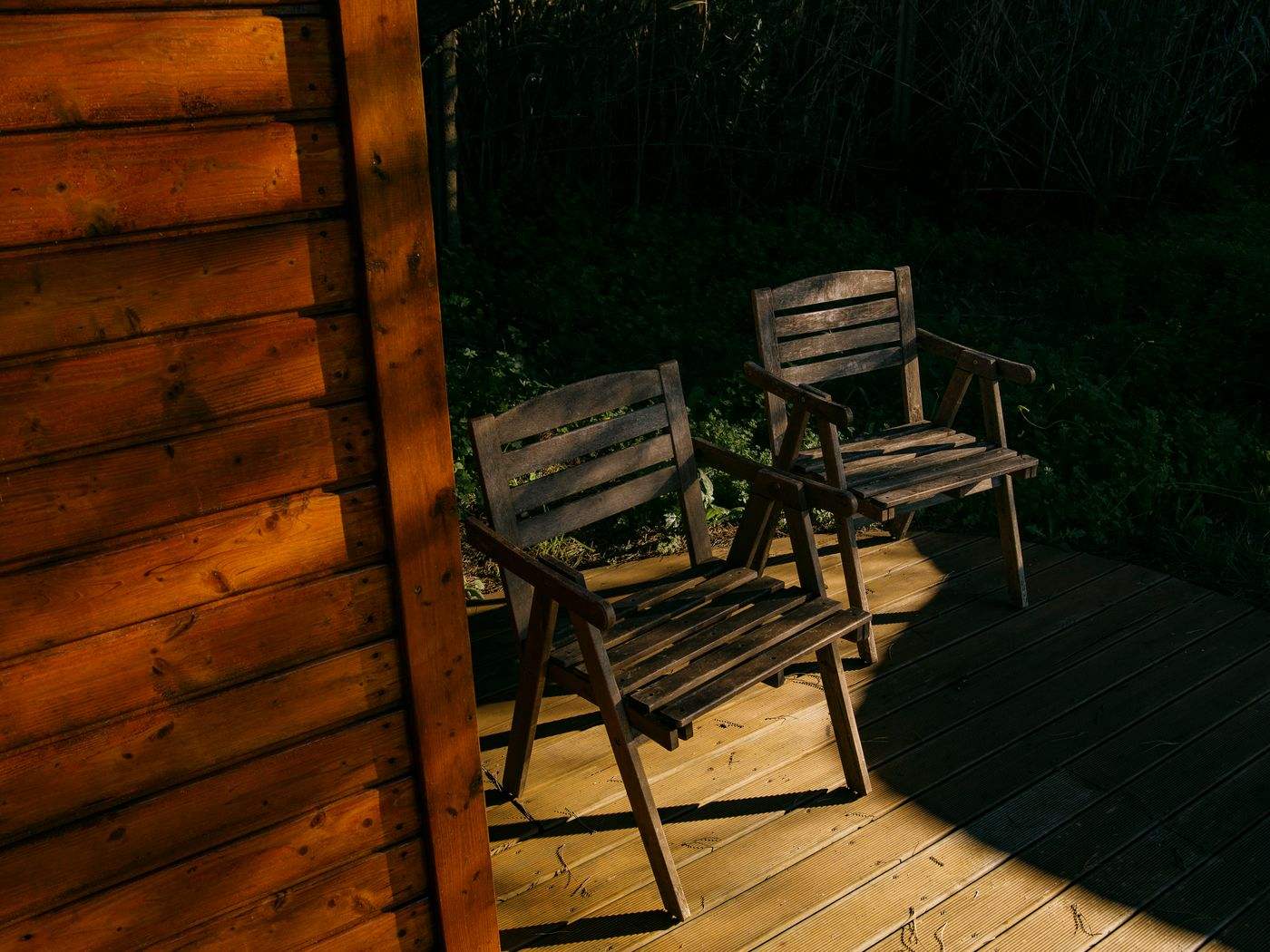
- Deck painting & staining
- Railings & stairs
- Porches & pergolas
- Fences & sealing
A deck is exposed to rain, snow, ice, sunlight, foot traffic, dirt, moisture, and seasonal temperature changes. Without regular maintenance, the finish can fade, peel, crack, or wear away, leaving the wood vulnerable to moisture damage and premature deterioration.
A professional deck painting or staining project does more than add color. It can improve the appearance of your property, help protect the wood, reduce weather-related wear, and make your deck more enjoyable during the warmer months.
Superior Painting Boston works with wood decks, porches, stairs, railings, balconies, fences, pergolas, and other exterior wood surfaces. Our service area includes Boston, Brookline, Cambridge, Newton, Waltham, Somerville, Quincy, Medford, Arlington, Watertown, Needham, Dedham, Milton, and surrounding communities.
Whether your deck needs a complete color change, a fresh stain, peeling paint removal, surface preparation, or a protective finish, our team can help you choose the right solution for the condition of the wood and the look you want.
Boston Deck Painting and Staining Cost
Deck painting and staining costs depend on the size of the deck, condition of the wood, number of railings and stairs, previous finish, required preparation, accessibility, product selected, and number of coats.
| Deck painting or staining project | Average cost |
|---|---|
| Small 10×10 deck | $550 to $900 |
| Standard 12×12 deck | $800 to $1,350 |
| Medium 16×16 deck | $1,200 to $2,200 |
| Large 20×20 deck | $1,800 to $3,000 |
| Boston deck staining per square foot | $2 to $6 |
| Light cleaning and staining | $1.50 to $3.00 per sq. ft. |
| Heavy stripping and refinishing | $3 to $6+ per sq. ft. |
| Deck with railings and stairs | $1,200 to $3,500+ |
| Large wraparound deck or porch | Custom estimate |
| Deck repairs and board replacement | Priced according to condition |
Boston cost guides commonly report deck staining prices around $2 to $6 per square foot, while some local estimates for a standard project fall between approximately $800 and $2,400. A recent Boston-area cost source reports a typical staining range of approximately $767 to $3,835 depending on size, condition, materials, and preparation.
These figures are average planning ranges and not guaranteed prices. A deck with peeling paint, heavily weathered boards, multiple railings, stairs, furniture, or difficult access may require considerably more preparation.
A professional estimate should identify whether the quote includes washing, stripping, sanding, repairs, primer, paint or stain, number of coats, railings, stairs, cleanup, and protection of surrounding surfaces.
Deck Painting or Deck Staining?
One of the most important decisions is whether to paint or stain the deck. The best choice depends on the wood, existing coating, desired appearance, amount of preparation, and maintenance expectations.
Deck painting
Deck paint provides a more solid, uniform color. It can cover discoloration, previous colors, repaired areas, and inconsistent wood tones.
Deck paint may be a good option when:
- You want a bold or uniform color.
- The wood has visible discoloration.
- The deck has previously been painted.
- You want to coordinate the deck with the house exterior.
- The surface is older and has inconsistent appearance.
- You prefer a more opaque finish.
Common deck paint colors include gray, white, taupe, brown, charcoal, and muted blue. A quality exterior coating designed for horizontal walking surfaces is important because ordinary exterior wall paint may not withstand foot traffic and standing moisture.
Deck staining
Deck stain allows some or all of the natural wood grain to remain visible. Stains are available in transparent, semi-transparent, semi-solid, and solid finishes.
Deck stain may be a good option when:
- You want to preserve the wood grain.
- The boards have an attractive natural appearance.
- You prefer a more natural outdoor look.
- The wood is in relatively good condition.
- You want a finish that penetrates the surface.
- You are maintaining a previously stained deck.
Semi-transparent stain is one of the most common choices because it adds color while allowing the grain to remain visible. Solid stain provides greater coverage but still tends to have a different appearance from traditional deck paint.
The existing finish must be considered before choosing a new product. Applying stain over failing paint, or paint over an unstable stain, can lead to peeling and premature failure.
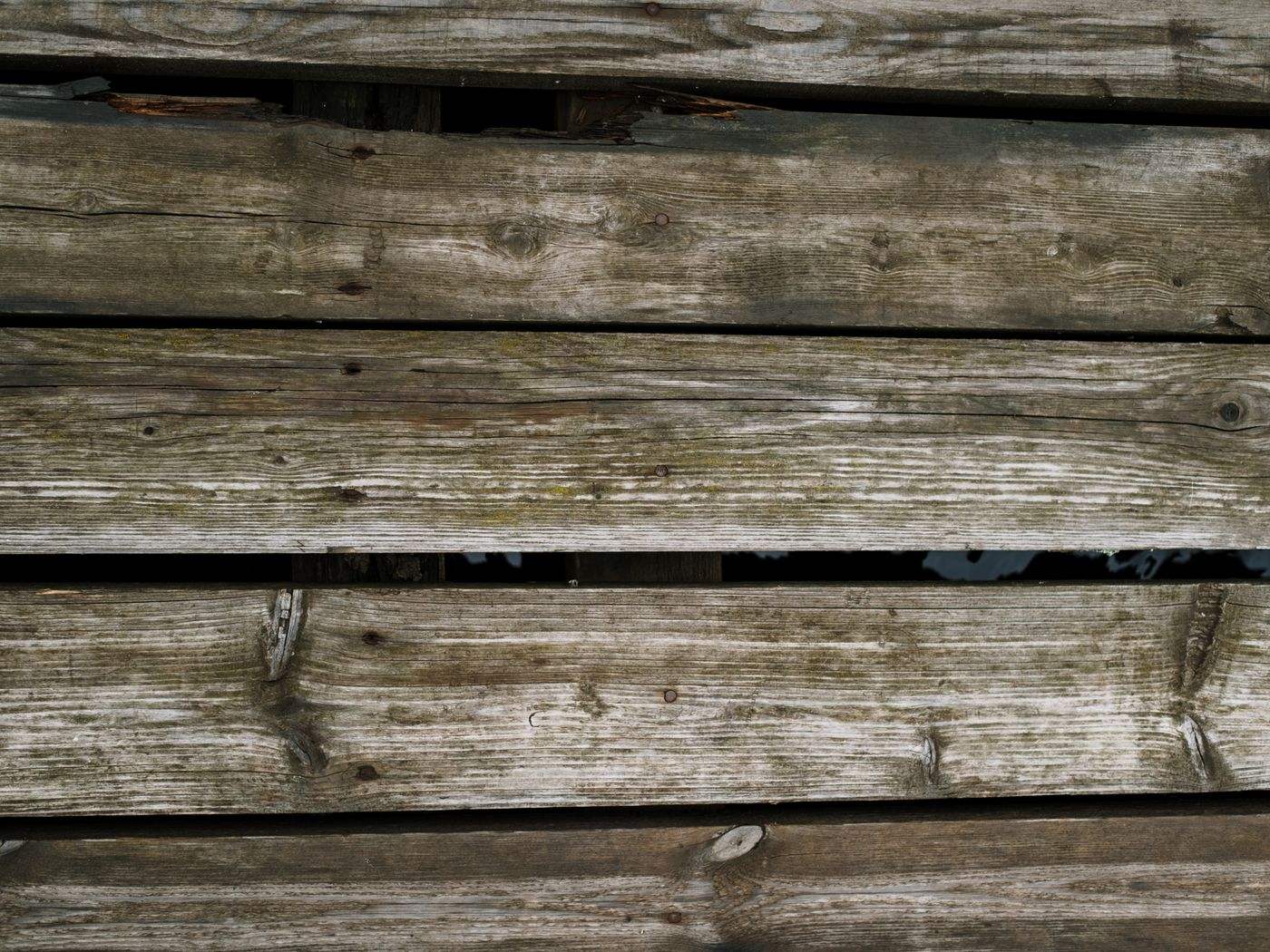
Our Boston Deck Painting Services
Wood deck painting
We prepare and paint exterior wood decks using products selected for outdoor exposure and foot traffic. The process may include cleaning, scraping, sanding, spot priming, repairs, and one or more finish coats.
Deck staining
We apply transparent, semi-transparent, semi-solid, or solid stains based on the wood condition and desired appearance. Staining can enhance the grain while helping protect the surface from moisture and sunlight.
Deck refinishing
Deck refinishing is a broader process that may include removing failing coatings, washing, brightening, sanding, repairing, staining, sealing, or painting.
A complete refinish is usually more involved than simply applying another coat over an existing finish.
Porch painting and staining
Boston-area homes often include front porches, farmer’s porches, rear porches, and covered entryways. We can paint or stain porch floors, railings, columns, steps, posts, ceilings, and decorative trim.
Deck railing painting
Railings and balusters often require significant detail work. We prepare and paint or stain:
- Handrails.
- Balusters.
- Posts.
- Stair railings.
- Guardrails.
- Newel posts.
- Decorative sections.
- Privacy screens.
Railings can be painted to match the deck, house trim, or a contrasting accent color.
Deck stair painting and staining
Stairs experience heavy foot traffic and require careful attention to the treads, risers, stringers, and railings. We can create a uniform finish or use contrasting colors for improved visual definition.
Fence and pergola finishing
Outdoor structures near the deck can be refinished at the same time to create a more coordinated appearance. Related services include:
- Fence staining.
- Fence painting.
- Pergola staining.
- Privacy screen painting.
- Lattice finishing.
- Outdoor wood trim.
- Garden structure refinishing.
Deck sealing
A clear or lightly tinted sealer can help protect suitable wood while preserving its natural appearance. Sealer selection depends on the wood species, age, previous coating, moisture condition, and desired level of color.
Minor deck surface repairs
Small repairs may be included or priced separately depending on the project. Possible repairs include:
- Replacing isolated damaged boards.
- Tightening loose fasteners.
- Filling minor cracks where appropriate.
- Replacing damaged trim.
- Repairing small areas of peeling coating.
- Addressing rough splintered areas.
- Replacing limited sections of railing.
Painting should not be used to hide structural problems, widespread rot, unstable railings, or unsafe stairs. Significant structural concerns should be assessed by a qualified deck or construction professional before coating work begins.
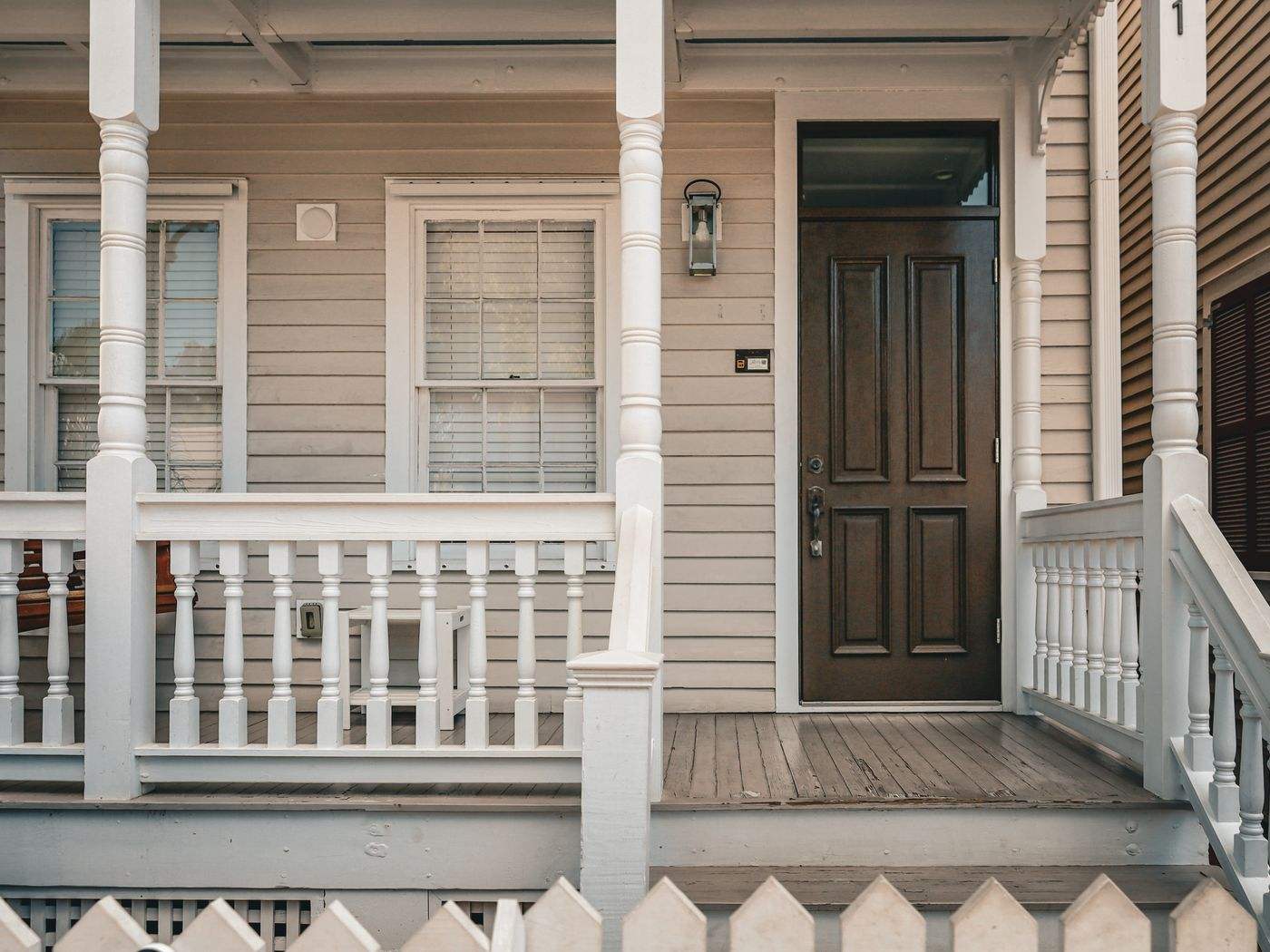
The Deck Painting Process
1. Deck inspection and consultation
We inspect the deck’s size, layout, wood condition, previous finish, railings, stairs, access, drainage, and exposure to sunlight and weather.
We discuss whether painting, staining, sealing, or more extensive refinishing is appropriate. If the deck has widespread rot, loose structural components, or unstable railings, those issues should be addressed before painting.
2. Project preparation
Furniture, planters, grills, decorations, and other movable objects are removed or relocated. Nearby siding, landscaping, windows, doors, patios, and walkways are protected.
Weather conditions are also considered. Exterior coatings need suitable temperatures and dry conditions for proper application and curing.
3. Cleaning and washing
The deck is cleaned to remove dirt, pollen, mildew, algae, grime, and loose surface material. Depending on the wood and condition, this may involve pressure washing or a lower-pressure cleaning method.
Pressure washing should be performed carefully. Excessive pressure can damage soft wood, create raised grain, and leave the surface rough.
4. Stripping or scraping
If the previous paint or stain is peeling, flaking, or failing, loose material must be removed. Depending on the coating, this may involve scraping, sanding, chemical stripping, or a combination of methods.
Painting over unstable material usually transfers the failure to the new coating.
5. Drying
The wood must dry thoroughly before stain, sealer, primer, or paint is applied. Depending on weather, shade, board condition, and cleaning method, drying may take approximately twenty-four to forty-eight hours or longer. A local refinishing provider notes that stripping and washing commonly need one to two days of drying before sanding and staining.
6. Sanding
Sanding helps smooth rough areas, reduce raised grain, improve appearance, and prepare the surface for coating. It may be performed on the deck boards, railings, stairs, and other areas as needed.
Not every deck requires complete sanding. The appropriate level depends on the condition of the existing finish and the product being applied.
7. Repairs and priming
Minor surface repairs are completed where appropriate. Bare areas, repaired sections, stains, and difficult surfaces may require primer.
Primer selection depends on whether the deck will receive paint, solid stain, semi-transparent stain, or a specialized coating.
8. Painting or staining
The finish is applied by brush, roller, spray, or a combination of methods. Railings, balusters, edges, cracks, and board joints require careful attention.
Some professional deck staining systems use spraying followed by back-brushing to improve coverage and distribute the stain evenly.
9. Second coat where appropriate
The number of coats depends on the product, wood porosity, color, manufacturer instructions, and condition of the deck. Applying excessive material can create problems if the wood cannot absorb it or if the coating does not cure correctly.
10. Final inspection and cleanup
We inspect the finished deck, railings, stairs, edges, and surrounding areas. Materials are removed, overspray and debris are checked, and furniture is returned when appropriate.
Boston Weather and Deck Maintenance
Boston decks experience a demanding climate. Winter snow and ice, spring moisture, summer sunlight, humidity, falling leaves, and freeze-thaw cycles can all affect exterior wood.
Moisture is one of the most important causes of deck deterioration. Water can enter cracks, joints, end grain, fastener holes, and areas where the finish has worn away. Repeated wetting and drying can contribute to swelling, shrinking, cracking, and coating failure.
UV exposure can fade stain and damage the appearance of exposed wood. High-traffic areas may wear sooner than covered areas, particularly on stairs, walkways, and the areas near doors.
Regular maintenance can help extend the life of a deck finish:
- Sweep leaves and dirt from the surface.
- Remove standing water and organic debris.
- Keep gutters and downspouts directed away from the deck.
- Clean mildew and algae when appropriate.
- Avoid dragging heavy furniture across the boards.
- Inspect railings, stairs, and boards regularly.
- Address peeling or bare areas before they spread.
- Schedule maintenance before the finish fails completely.
- Follow the coating manufacturer’s maintenance instructions.
Many New England decks need refinishing approximately every two to three years, although the actual interval depends on exposure, wood species, product, traffic, drainage, and maintenance.
A covered deck may last longer between maintenance projects than a fully exposed south-facing deck.
Deck Painting for Different Surfaces
Pressure-treated wood
Pressure-treated lumber should be adequately dry before painting or staining. New pressure-treated boards may retain moisture, which can interfere with adhesion and absorption.
Cedar
Cedar can have a beautiful natural appearance but may weather, gray, and absorb coatings unevenly. Cleaning, brightening, and the correct stain or sealer are important.
Redwood
Redwood benefits from products designed for exterior wood. Existing weathering and tannin-related discoloration may require specific preparation.
Composite decking
Composite materials are not treated exactly like traditional wood. Some composite products may not be suitable for painting or staining, and the manufacturer’s instructions should be reviewed before coating.
Previously painted decks
Peeling paint must be removed or stabilized before a new finish is applied. The condition of the existing coating determines whether repainting, stripping, or replacement is appropriate.
Previously stained decks
A new stain may be possible if the existing coating is compatible and stable. Heavily built-up, peeling, or incompatible finishes may require additional removal and preparation.
How to Choose a Boston Deck Painter
Before hiring a deck painting contractor, ask for a clear explanation of the preparation and coating system.
Important questions include:
- Will the deck be washed before painting or staining?
- How long will the wood dry?
- Is sanding included?
- Will loose paint or stain be removed?
- Are railings and stairs included?
- Are repairs included?
- What product will be used?
- How many coats are included?
- Will the work be brushed, rolled, sprayed, or back-brushed?
- How will nearby siding and landscaping be protected?
- What happens if rain interrupts the project?
- Is the company insured?
- Is the estimate written?
- Are warranties provided?
Massachusetts provides homeowner and contractor resources through the Home Improvement Contractor Program. Homeowners should review contractor information, obtain a written contract, confirm insurance, and understand the complete project scope before work begins.
A low price may not include the preparation needed for a durable finish. When comparing estimates, look at the full scope rather than comparing only the final number.
Why Choose Superior Painting Boston?
Superior Painting Boston understands that deck painting is primarily a preparation project. A new coating cannot perform well when applied over dirt, moisture, loose paint, failing stain, or unstable wood.
Homeowners choose us for:
- Detailed deck inspections.
- Careful cleaning and preparation.
- Deck painting and staining options.
- Railings, stairs, porches, and pergolas.
- Color and finish guidance.
- Protection of nearby surfaces.
- Clear written estimates.
- Organized project communication.
- Attention to edges, joints, and detail areas.
- Service throughout Boston and Greater Boston.
Our goal is to provide a clean, attractive finish that suits the deck, complements the property, and is applied according to the needs of the surface.
Frequently Asked Questions
How much does deck painting cost in Boston?
Professional deck painting or staining commonly costs approximately $2 to $6 per square foot, with many standard residential projects falling between $800 and $3,000. The price can be higher for large decks, extensive railings, heavy stripping, repairs, difficult access, or premium coatings.
Is deck painting better than staining?
Neither option is automatically better. Paint provides a more uniform color and greater coverage, while stain can preserve the appearance of the wood grain. The best option depends on the current finish, wood condition, desired look, and maintenance goals.
How often should a Boston deck be painted or stained?
Many Boston-area decks need maintenance every two to three years, although exposed decks may require attention sooner and covered decks may last longer. Inspect the surface regularly for fading, peeling, bare wood, cracking, and water absorption.
Can you paint over an old deck stain?
Sometimes, but not automatically. The existing stain must be stable, clean, and compatible with the proposed coating. Peeling or heavily built-up material may require stripping or sanding first.
Can you stain a painted deck?
Usually, a penetrating stain cannot simply be applied over existing paint. The paint may need to be removed, and the surface may need significant preparation before a compatible finish can be selected.
How long does deck painting take?
Many projects take approximately two to four days, including cleaning, drying, preparation, application, and curing time. Larger decks or decks requiring stripping and repairs may take longer.
Can you paint deck railings?
Yes. Railings, balusters, posts, handrails, and stair components can be painted or stained. These areas often require detailed preparation and additional labor.
Does pressure washing damage a deck?
It can if excessive pressure or an incorrect technique is used. Professional cleaning should account for the wood species, age, condition, and existing coating.
Can deck boards be replaced before painting?
Limited board replacement may be possible, depending on the project. Widespread rot, structural damage, or unstable stairs should be evaluated and repaired before painting.
What color should I paint my deck?
Popular choices include gray, brown, taupe, charcoal, white, and muted blue. The best color depends on the home’s siding, trim, landscaping, furniture, roof, and desired style.
How long should a deck dry after washing?
Many decks need at least twenty-four to forty-eight hours of suitable drying time, but damp weather, shade, dense wood, and high humidity can extend the schedule.
Can you paint a covered porch?
Yes. Covered porches, entry steps, railings, ceilings, columns, and decorative trim can be painted or stained. Covered areas may still experience moisture and temperature changes, so exterior products are generally appropriate.
Do I need a permit for deck painting?
Simple cleaning, painting, or staining usually differs from structural deck construction or alteration. Permit requirements may apply if the project includes structural repairs, rebuilding, electrical work, or changes to the deck itself. Check local requirements for any work beyond surface finishing.
More from Superior Painting Boston
Other Painting Services in Boston
-
Cabinet Painting Boston
Kitchen cabinets, vanities, islands and built-ins refinished.
-
Interior Painting Boston
Walls, ceilings, trim, doors, plaster and stairways.
Cabinet painting is also available in Cambridge, Brookline, Newton and Waltham.
Greater Boston, MA
Restore Your Boston Deck
A well-maintained deck can improve the appearance of your home and give you more comfortable outdoor space. Professional preparation and the right exterior coating can help protect the surface from weather, moisture, sunlight, and everyday use.
Superior Painting Boston provides deck painting, deck staining, deck refinishing, porch painting, railing staining, fence finishing, and related exterior wood services throughout Boston and Greater Boston.
Contact Superior Painting Boston to schedule a deck inspection and receive a detailed estimate for your project.